
Lower House approves 12 articles of 2026 Local Administration Law
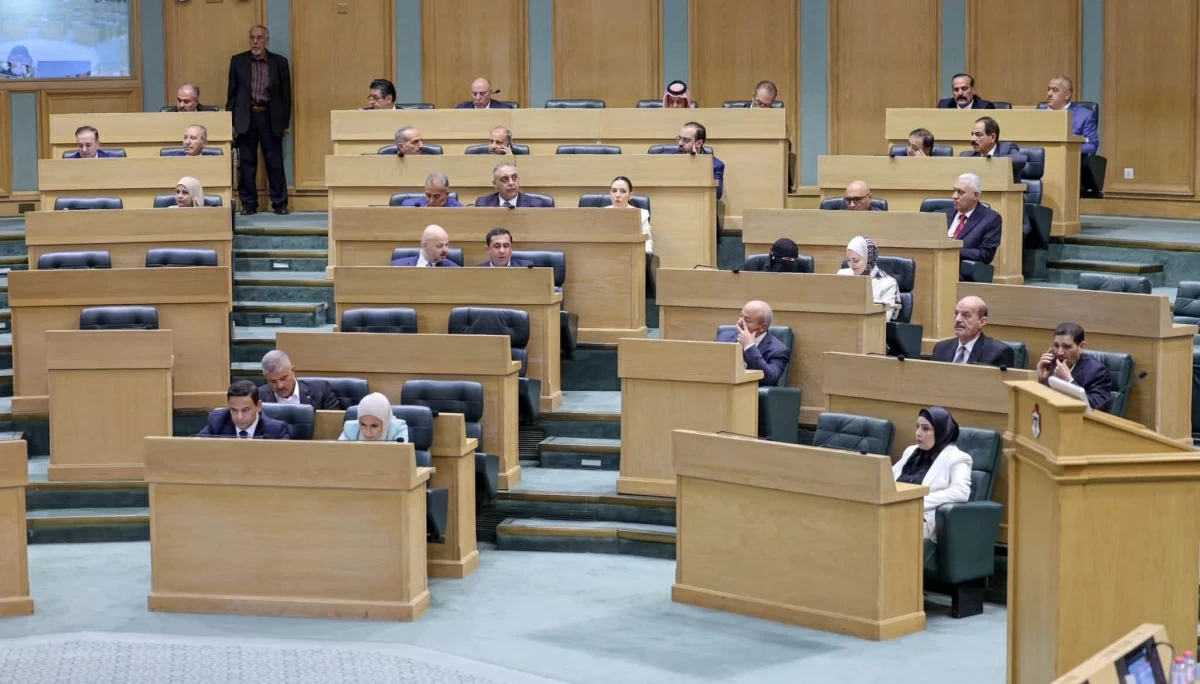
AMMAN — The Lower House on Monday continued deliberations on the 2026 Local Administration Law, approving the first 12 of its 70 articles amid debate over municipal powers, local governance and the role of elected councils.
Article 1, which names the legislation the Local Administration Law of 2026 and provides for its entry into force 60 days after publication in the Official Gazette, was approved.
During discussion of Article 2, MPs examined several definitions, including “resident”, “voter” and “liable person”. Deputy Prime Minister and Minister of Local Administration Walid Masri said municipal services are available to everyone living within municipal boundaries, regardless of nationality.
He said that non-Jordanians may benefit from municipal services and could be subject to certain fees or taxes, but this does not give them the right to vote. Under the law, the term “voter” refers specifically to a Jordanian who is legally entitled to participate in elections.
The House endorsed Article 3, which provides for municipal councils, governorate councils, executive councils and joint services councils.
Article 4, approved as submitted by the government, defines municipalities as public-benefit entities with legal personality and financial and administrative independence.
It also allows municipalities to own property, enter into contracts and undertake legal proceedings. Municipal councils are to be formed through direct elections.
During Article 5, MPs approved provisions expanding the municipal council’s role in urban planning, including consideration and approval of plans covering land use, infrastructure, transport, public facilities, waste management, water and sewage services and development and investment priorities.
The House approved Articles 6 and 7, rejecting several proposed amendments concerning municipal elections, council structures, public consultations, committees and the powers of elected councils.
Article 8, concerning the mayor’s powers, was also approved. It assigns the mayor responsibility for supervising the municipal executive apparatus and following up on the implementation of approved service, development and strategic plans.
MPs objected to a provision requiring the mayor and municipal council members to obtain prior ministerial approval before travelling abroad on official missions or participating in training programmes and workshops. Under the provision, requests must be submitted at least 10 days before departure.
Masri said that the requirement is a governance measure rather than a restriction on elected councils, saying authorities need to be informed of official travel to ensure continuity of work and appropriate representation and coordination.
The House also approved Articles 9 and 10, including provisions concerning municipal responsibilities and the delegation of functions.