
Sources: Government Incurs 20 Million Dinars Monthly Due to Fuel Price Freeze for September
Al-Taj News – The decision to freeze the prices of petroleum products for the current month represents a new step in the government’s ongoing support efforts to address the repercussions of the global energy price shock.
Although the decision is primarily aimed at protecting citizens’ purchasing power and curbing local inflation, it places increasing pressure on public finances due to the widening gap between the actual cost of imports and selling prices in the local market.
These financial burdens come as a result of the acute shortage in global oil supplies, in addition to the ban imposed by the United States on Iran and tensions in the Strait of Hormuz, which have made production and exports a major challenge affecting global oil prices.
Monthly Burdens: 20 Million Dinars per Month
According to informed sources, refraining from passing on global price increases to fuel prices for the current month has cost the government an additional estimated 20 million Jordanian dinars per month.
These burdens stem from the complex geopolitical circumstances that followed the outbreak of the war on February 28, as disruptions to supplies, the closure of the Strait of Hormuz, and reduced production and export rates led to successive increases in global oil prices, causing import costs to exceed the locally set ceiling by wide margins.
Official Pricing Details for September
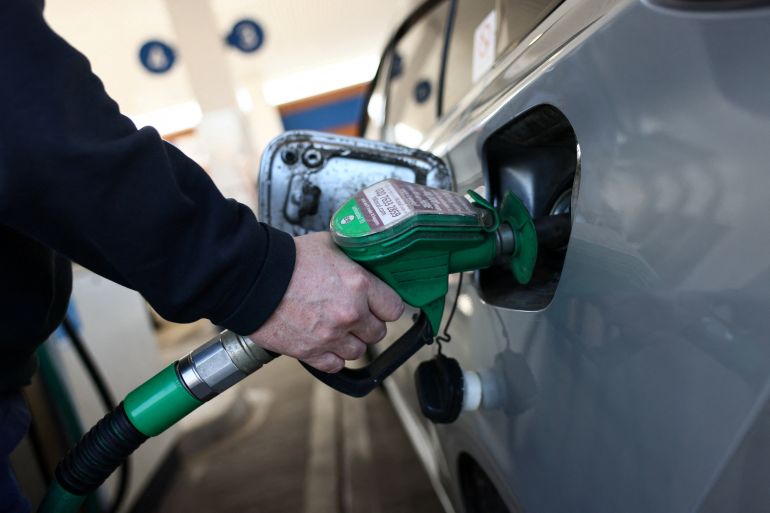
Confirming the price freeze decision, the official bulletin issued by the Ministry of Energy and Mineral Resources on local selling prices effective September 1, 2026, showed that the price of one liter of 90-octane gasoline remained at 1,000 fils (one dinar), while one liter of 95-octane gasoline remained at 1,310 fils, and 98-octane gasoline at around 1,460 fils. The price of one liter of diesel was also kept at 850 fils, and kerosene at 550 fils, while the price of a 12.5-kilogram liquefied petroleum gas cylinder remained at 7 dinars for consumers.
Crisis Total: 244 Million Dinars by the End of the Current Month
By adding the cost of the price freeze for the current month to the total subsidies and price differentials incurred since the beginning of the crisis through the end of last August, amounting to 224 million dinars, the cumulative financial burden borne by the public treasury rises to approximately 244 million Jordanian dinars.