
Experts examine Jordan’s renewable energy challenges, regional transition
AMMAN — Institute Français Proche Orient, in partnership with the Centre for International Studies (CERI), Sciences Po, the Council for British Research in the Levant – Amman Institute, and the Arab Centre for Research-Amman, has recently organised a conference entitled “Energy Across Scales: City, Transition, Region”.
The conference’s public sessions explored three main themes: energy in the urban context, covering everyday life, populations, and mobility; renewable energy and the challenges of the transition away from fossil fuels; and the political economy of energy, examining the reshaping of the Arab region through gas, electricity and renewable energy networks.
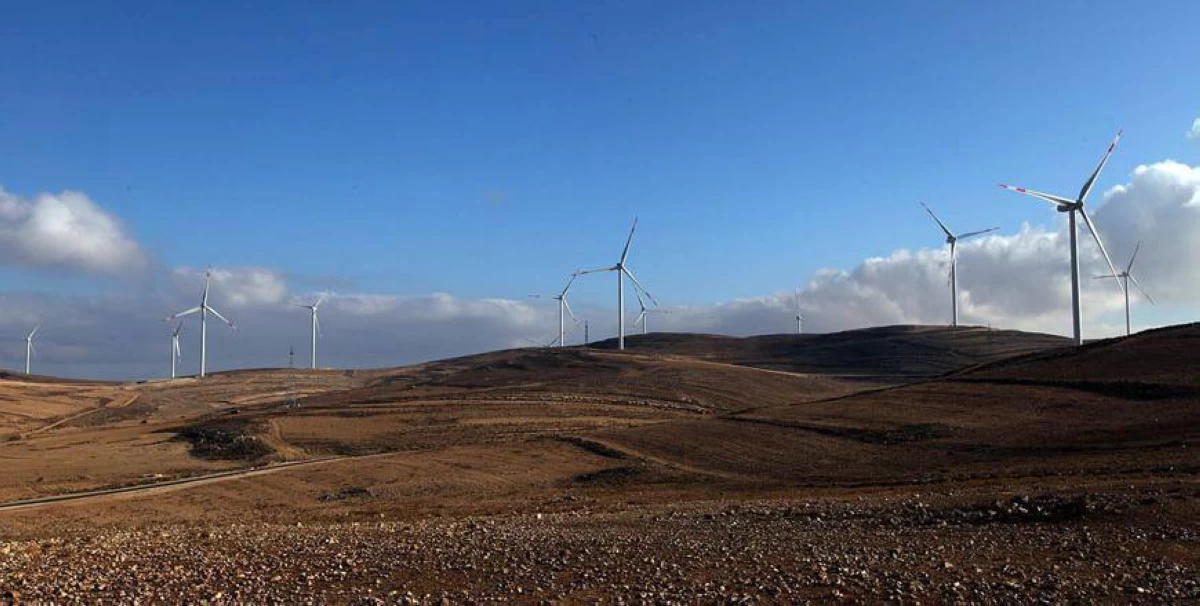
The programme featured a discussion on the challenges facing Jordan’s renewable energy sector.
Eric Verdeil from CERI emphasised changes in energy supply as an emerging challenge for the MENA region.
“Other ecological pressures trail behind, such as increased threats of flooding because of exceptional rainfalls and sea-level rise or hotter temperature prospects, which have recently made the headlines in Gulf cities,” Verdeil said, adding that this concern takes a different form in energy exporting and importing countries.
In oil- and gas-producing countries, threats of peak oil and resource depletion are surfacing in some cases, such as in Bahrain, Dubai or Tunisia, Verdeil noted.
“However, in most cases, it’s not the depletion by itself that is a concern, but rather the fact that growth in demand consumes more and more of national oil production, which then cannot be sold on the international market,” Verdeil said.
This results in reduced incomes, which in turn compromise the ability to finance the redistribution that is at the heart of the social contract.
Lower oil prices since 2014 have aggravated this situation. Net oil and gas importers in the MENA region experience energy pressures in a different way, Verdeil added.
In a context of growing demand for energy, driven by population growth and the rise of middle-class consumption patterns (individual cars, electric appliances), the hikes in energy prices at the end of the 2000s strongly inflated energy spending and created fiscal tensions, as higher energy costs have not been passed on to the prices of essential goods, Verdeil stressed.
Low oil prices after 2014 were a relief for governments in net importing countries.
“It is noteworthy that both energy poor and, more surprisingly, energy rich countries have experienced recurring electricity shortages in the last decade, sometimes for long periods,” Verdeil said.
Independent Jordanian researcher Asmaa Amin said that Jordan in the past relied for oil and gas on neighbouring Arab states.
After the first Gulf War in 1990, dependence shifted to Iraq until the 2003 US invasion. Then, Jordan turned to Egypt, but the so-called Arab Spring in 2011 also negatively impacted energy deals with Cairo, Amin underlined.
“Upheavals following the revolution in 2011 disrupted supplies. To compensate, Jordan imported crude oil from the global market at a high cost,” Amin said, underscoring that it also marks a deeper structural dependency shaped by geopolitical alignments and economic liberalisation.