
“Parties of Individuals and Gelatinous Blocs” .. Al-Atoot Reads the Reality of Parliament in Light of the King’s Messages
Al-Taj News – Lina Al-Naser
“Much Ado About Nothing”.. Al-Atoot: Contradiction Between MPs’ Words and Performance Strikes Public Trust in Parliament
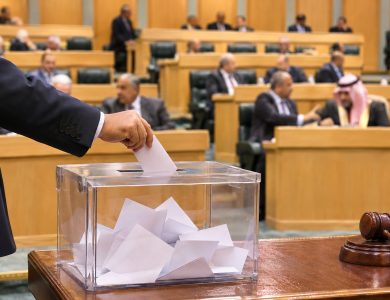
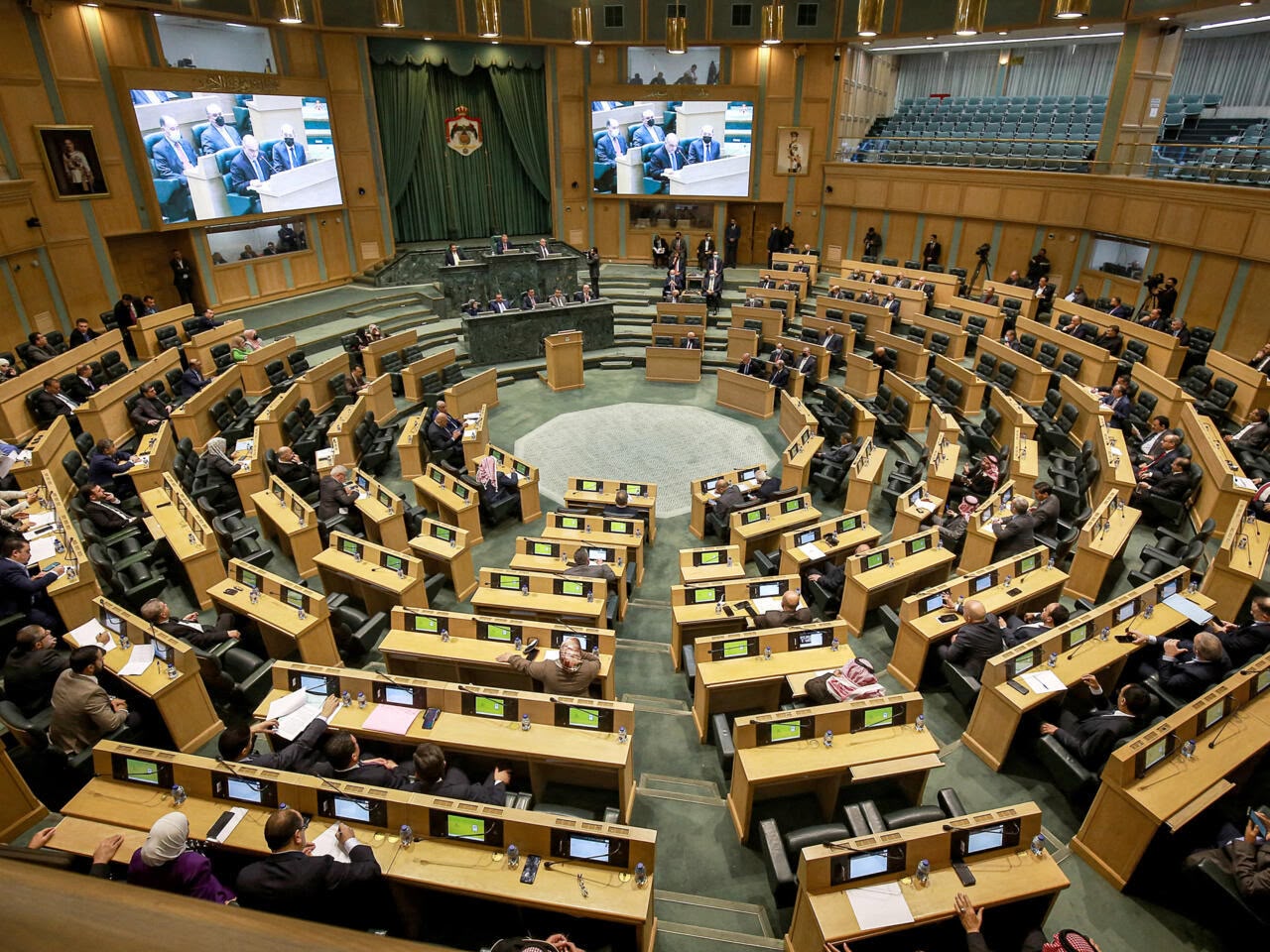
Constitutional expert and political activist, attorney Omar Al-Atoot, said that the performance of the twentieth House of Representatives does not differ fundamentally from the performance of previous councils, except for the presence of a partisan banner that has not actually reflected on the nature of performance, and that most parties are still closer to parties of individuals than to parties of programs.
Al-Atoot added in his remarks to “Al-Taj News”, Tuesday, that the Council’s performance in both the legislative and oversight roles can be described as “much ado about nothing,” pointing out that many parliamentary positions witness widespread objections to government decisions or legislative texts, before these objections turn during voting into approvals, as if criticism ends with admiration for the government product.
Parties of Individuals and Gelatinous Blocs.. A Crisis in Parliamentary Culture
Regarding disputes and practices under the parliament dome, Al-Atoot explained to “Al-Taj” that difference and disagreement are a natural part of political work, and are even among the foundations of democracy; however, the problem lies in the absence of a culture of respecting the other opinion and accepting criticism in many cases.
Al-Atoot pointed out that these practices also reveal the fragility of most party blocs, which often appear “gelatinous,” as a member withdraws from them or from the party at the first conflict between their interest and the bloc’s position, contrary to the party concept based on commitment to a program and a collective position.
The King’s Speech and the Right to Disagree.. and Governments Facing Criticism
In contrast, Al-Atoot pointed out that His Majesty the King’s speech came advanced in its domestic and foreign contents, and in all the aspects it addressed, including his emphasis on protecting the right to disagree and criticize, and the right of people to have an opinion and another opinion without incitement.
He indicated that these messages are important for governments that have shown over past years an unprecedented intolerance in accepting criticism, even legitimate criticism.
Al-Atoot affirmed that he has repeatedly criticized the Cybercrime Law and written about the necessity of amending it, due to the restrictions it contains that affect freedom of expression, while emphasizing its role in combating the spread of ideas of extremism, closed-mindedness, and discord among the people of one nation.
From the Legislative and Oversight Role to a Service Council.. The Trust Gap Widens
Regarding the impact of the MP’s behavior and rhetoric under the dome on the public’s trust in the legislative institution, Al-Atoot emphasized that the MP’s behavior and rhetoric, and the contradiction of their words with the output of performing their parliamentary role, in addition to transforming the Council—which is supposed to represent the people legislatively and in oversight—into a service council, directly affect people’s trust in the legislative institution.
Al-Atoot explained to “Al-Taj” that this means there is no difference between an elected municipal member and an elected parliament member, considering that opinion poll results and election participation rates reflect the size of the existing trust gap.
Political Money and Tribal Considerations.. Challenges Facing Democracy
Al-Atoot called for realism when evaluating the democratic experience, indicating that society suffers from economic problems and lived through decades of fighting organized party work and restricting it, even when some parties were close to the vision and orientations of governments.
He pointed out that society needs more time to build a genuine party and democratic culture that allows the voter to choose their representatives based on programs and competence