
Fatwa Department: Violating Traffic Rules and Causing a Death Requires Blood Money and Expiation
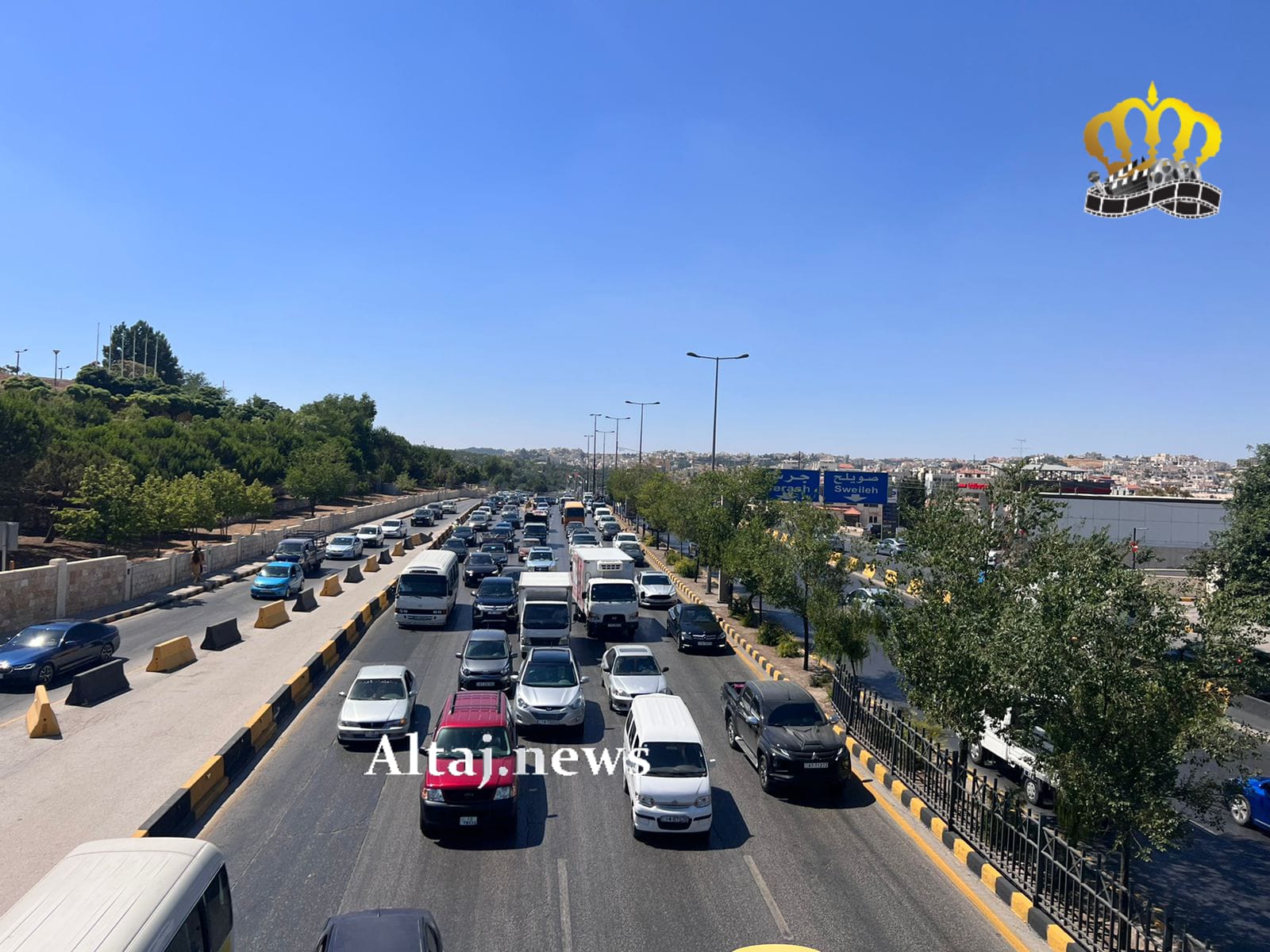
Al-Taj News – In a fleeting moment that may last no more than a few seconds, a mistake behind the wheel of a vehicle can turn the road from a means of reaching a destination into the scene of a tragedy that changes the lives of entire families, with death, injury, painful memories, and consequences that may extend for many years. Between excessive speed, sudden lane changes, and failure to comply with traffic rules, drivers, pedestrians, and passengers pay the price for mistakes they did not commit, while moral, legal, and religious responsibility remains present every time a vehicle engine is started and a journey on the road begins.
The Fatwa Department, a driving instructor, and drivers indicate that a noble driver of high moral character is one who does everything in his power to ensure that others arrive safely at their homes, and that whoever violates traffic rules and causes the death of a person is required to pay blood money and perform the expiation, which requires fasting for two consecutive months.
The media spokesperson for the General Fatwa Department, Dr. Ahmad Al-Harasais, said that it is the duty of every driver to comply with traffic instructions and regulations, in order to protect his safety and the safety of members of society, and that he is prohibited from violating them; because compliance with traffic regulations protects lives and property from deadly dangers. Among these instructions are compliance with traffic lights, driving in an orderly manner, and observing the permitted speed limits.
He explained that whoever violates the instructions of the Central Traffic Department and runs a red light, or drives a vehicle at high speed or in a reckless manner, causing the death of a person, has incurred a grave sin because he was responsible for taking the lives of Muslims, and his act falls under quasi-intentional killing because it involves disregard for and underestimation of people’s lives. He pointed out that he is required to pay blood money and perform the expiation, which is fasting for t