
Rouhani’s Statements on Ending the War and the Strait of Hormuz Spark Debate in Iran
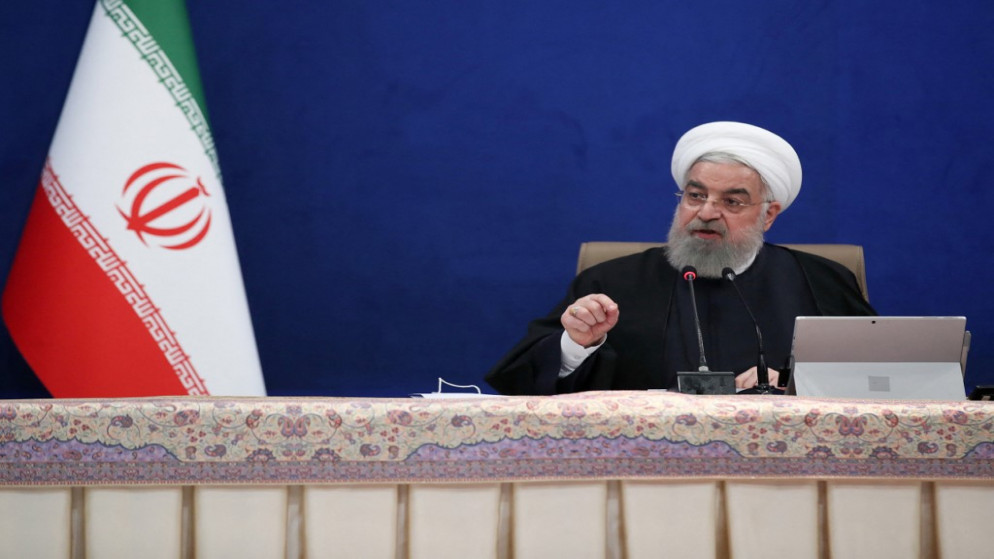
Al-Taj News – Statements by former Iranian President Hassan Rouhani regarding ending the war, the future of the Strait of Hormuz, and referring back to the Iranian people’s opinion on whether to continue fighting have sparked debate in Iranian media, amid sharp criticism from conservative media outlets that considered his positions an undermining of Iran’s deterrence cards.
Rouhani said, during a meeting with a group of governors, deputy governors, and provincial officials who served in his two previous governments, that Iran “must work to end the war in a manner that preserves dignity, in accordance with the opinion of the overwhelming majority of the people,” allowing the country to be rebuilt, damages to be compensated, conditions for investment to be created, and young people to be given hope for the future.
Rouhani added, according to statements published by Iranian media outlets, that if Iran is to continue its war with the major powers of the world for another 20 years, “the people must first be asked,” adding that if Iranians agree to that, the war can continue, but if they reject it and point to another course, their position should be taken into consideration.
At the same time, the former Iranian president stressed that talking about negotiations does not conflict with supporting the armed forces, saying that Iranians should stand behind both the armed forces and negotiators, and that defending the country can be carried out through military and diplomatic tools.
- Hormuz “for Security, Not War”
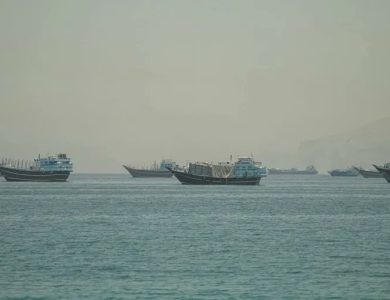
Rouhani’s remarks also extended to the Strait of Hormuz, saying that the strait should not turn into a “strait of war,” but rather into a “strait of security” for Iran, while maintaining the movement of international shipping and trade.
Rouhani said the Strait of Hormuz should be “prosperous,” questioning the usefulness of a strait through which ships do not pass, and stressing that Iran does not seek to disrupt global trade, while stressing the need for the movement of ships to guarantee the security of Iran and Oman.
He added that the passage of ships that could threaten the security of either country is unacceptable, while Iran, he said, accepts passage that does not involve a threat and is consistent with international rules.