
From Different Nationalities.. 366,000 Refugees and Asylum Seekers Registered in Jordan
Al-Taj News – The latest data on the numbers of refugees and asylum seekers registered in Jordan showed that their total number reached 366,077 people of various nationalities, as of September 1, 2026.
According to the data, Syrian refugees constitute the overwhelming majority of the total registered refugees and asylum seekers, with 343,142 refugees, accounting for 93.7 percent, followed by Iraqis, numbering 12,010 refugees, then Yemenis at around 6,049 refugees, Sudanese at 4,200 refugees, in addition to other nationalities.
The figures showed that 289,023 refugees and asylum seekers, representing 79 percent of the total, reside in urban areas and local communities, while 77,054 refugees, or 21 percent, reside in refugee camps.
The Zaatari Camp topped the list of camps in terms of the number of registered refugees, with around 45,000 refugees, followed by Azraq Camp, which hosts around 31,000 refugees, while the number of residents in Garden Camp stood at 154 people.
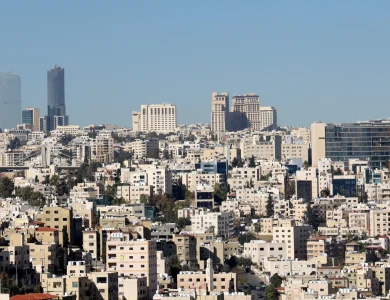
In terms of geographical distribution across the governorates, the capital, Amman, accounted for the largest share of registered refugees and asylum seekers outside the camps, at around 125,000 refugees, followed by Irbid Governorate with around 57,000 refugees, and then Mafraq with around 46,000 refugees.
The data also showed that children account for more than half of the total number of refugees and asylum seekers, with their number reaching 186,000 children, representing 50.9 percent, reflecting the continued need to support basic services, foremost among them education, healthcare, and protection.
With regard to special needs, the data showed that around 51,000 refugees suffering from health conditions were registered, along with around 20,000 children at risk, in addition to thousands of people who need legal and physical protection or belong to groups that are more vulnerable to risks.
These figures highlight Jordan’s continued hosting of large numbers of refugees and asylum seekers and the resulting growing needs in the sectors of protection, health, education, and basic services, particularly given that the majority reside in local communities outside the camps.