
Minister of Agriculture: Petra Named Capital of Jordanian Olives for 2026
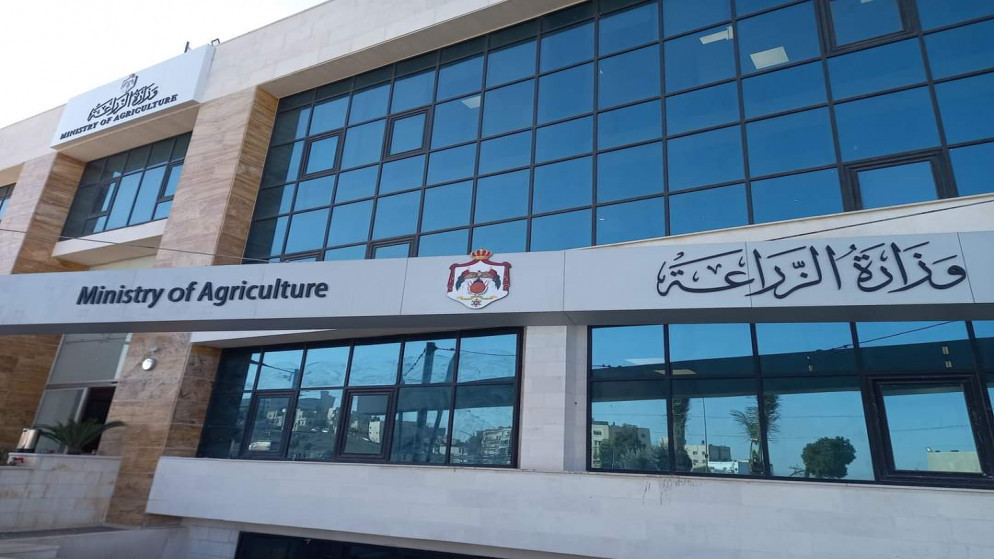
Al-Taj News – The Minister of Agriculture announced the selection of the Petra District as the “Capital of Jordanian Olives for 2026,” in recognition of its agricultural and heritage status and the economic, environmental, and cultural value represented by the olive tree, in addition to its connection to the agricultural and tourism landscape in the region.
Al-Khreisat said in a statement that selecting Petra as the capital of olives comes as part of the Ministry of Agriculture’s approach to highlighting the comparative advantages of Jordanian regions and governorates, strengthening the agricultural identity of each area, highlighting local agricultural products, and supporting farmers and producers. He stressed that this year’s initiative carries a developmental dimension that goes beyond the agricultural aspect by utilizing the agricultural product to support tourism and economic activity in Petra.
He added that the olive tree constitutes an integral part of Jordan’s agricultural heritage and has economic, social, and environmental importance, noting that the ministry is working to support the olive sector and develop its associated value chain in a way that contributes to improving productivity and quality, increasing added value, and creating more marketing opportunities for the Jordanian product.
Al-Khreisat explained that selecting Petra at this time represents an opportunity to enhance integration between agriculture and tourism, particularly in light of the challenges facing the tourism sector and the decline in tourism activity, by developing an integrated tourism experience that is not limited to visiting the archaeological site but rather connects visitors with agricultural, rural, and heritage products and the local community.
He pointed out that the “Petra Capital of Jordanian Olives 2026” event aims to contribute to stimulating economic activity in the city and maximizing the local community’s benefit from tourism activity by promoting agricultural and rural products, encouraging visitors to purchase them and learn about their production methods, and connecting farmers and producers with tourism establishments, hotels, restaurants, and local markets.
Al-Khreisat said the activities will serve as a platform to introduce the importance of the olive tree and its products and highlight the efforts of farmers and producers, in addition to organizing exhibitions and tasting activities and introducing olive oil and olive-based products, as well as cultural and heritage events highlighting agricultural and food heritage, thereby strengthening the presence of local products within the tourism experience in Petra.
He stressed that the goal is to transform the agricultural product from a commodity into a component of the tourism experience, giving visitors the opportunity to learn about Jordanian agricultural and food identity, purchase local products and olive-related gifts, which could contribute to increasing visitor spending within the city, extending their stay, and stimulating various tourism-related sectors.
He noted that the initiative will provide greater opportunities for farmers, rural families, women, youth, and small business owners to market their products and access the tourism market, thereby supporting local development, creating new economic opportunities, and increasing the local community’s benefit from Petra’s global standing.
He pointed out that selecting Petra as the capital of olives comes within the ministry’s approach of annually highlighting areas distinguished by olive production and their connection to this blessed tree, contributing to showcasing the Kingdom’s agricultural and environmental diversity, strengthening the marketing of local products, and creating added value for the agricultural sector.
He explained that this approach previously included selecting Irbid Governorate as the Capital of Olives in 2023, Ajloun Governorate for 2024, and Mafraq Governorate for 2025, reflecting the ministry’s commitment to distributing agricultural events across different areas of the Kingdom and introducing the unique characteristics and agricultural and heritage potential of each area.
Al-Khreisat affirmed that “Petra Capital of Jordanian Olives 2026” seeks to build a model of integration between agriculture, tourism, heritage, and marketing, so that the event’s impact is not limited to the period of its implementation but instead serves as a foundation for developing agricultural and food tourism products and routes in the region and sustainably connecting local producers with the tourism sector.
Al-Khreisat concluded by emphasizing that investing in Petra’s agricultural and heritage assets represents one of the tools that can be used to capitalize on its global fame in promoting agricultural products, thereby strengthening Petra’s position as a destination that combines cultural and heritage tourism with the Jordanian agricultural and food experience.