
After Criticizing Jordan Television, Producer Offers the Channel an Arab Series for Ramadan 2027
Al-Taj News –
Source: Jordan Television Broadcast 5 Productions by the Same Producer Over 6 Months
Source: Jordanian Drama Is Not the Exclusive Property of One Producer, and the Television Institution Is Not an Arena for Imposing Guardianship
Source: The Producer Received Contracts Worth Millions of Dinars from Jordan Television Over the Past Years
Source: Supporting Jordanian Drama Does Not Mean Closing the Screen to Arab Productions
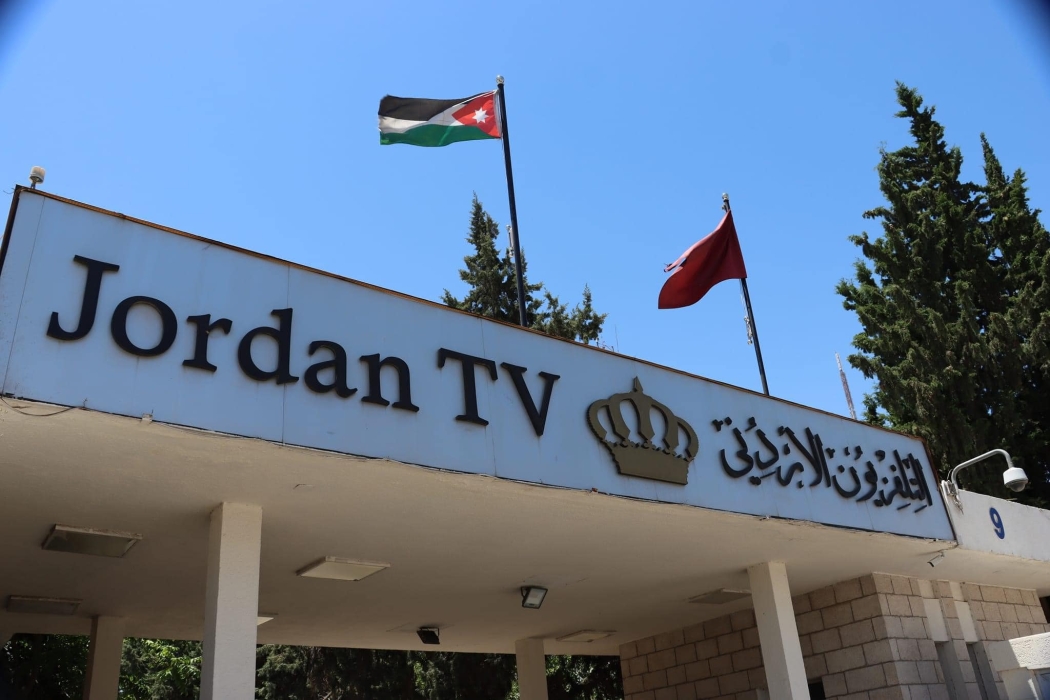
A source close to the Jordan Radio and Television Corporation affirmed that supporting Jordanian drama, artists, and local producers represents a national and cultural priority, stressing that protecting national production does not mean monopolizing the right to speak in its name or imposing guardianship over the Jordan Radio and Television Corporation.
This comes following a statement published by a local producer regarding what he described as the marginalization of Jordanian Bedouin drama and making room for joint Arab productions at the expense of local production.
The source pointed to a paradox worth pausing at, namely that the Bedouin production that sparked controversy dates back to 2021 and was purchased at the time, rather than being the result of a recent production decision. He noted that the same producer, whose name we are withholding, submitted an official letter dated November 17, 2026, in which he offered three productions for Ramadan 2027, including an Arab-produced series consisting of 25 episodes.
The source raised a question about the validity of considering the presentation of Arab productions a threat to Jordanian drama, saying: “Why does it become acceptable when it concerns productions that you offer to the Corporation?”
The source, who preferred not to be named, affirmed that there is no objection to any producer’s right to market their productions, nor to broadcasting Arab drama of artistic value. However, he stressed the rejection of double standards and the selective use of the slogan of protecting national production.
He said that the Jordanian artist is not anyone’s private property, and Jordanian drama is not the exclusive domain of any particular producer, as there are artists, producers, directors, and writers who all deserve fair opportunities based on competition and competence.
He pointed out that the Jordan Radio and Television Corporation is neither a private platform nor an arena for settling scores, but rather a national institution that bears a media and cultural responsibility toward the state and society. Everyone has the right to criticize its decisions and discuss its policies, but without questioning its role or exerting pressure on it.
He added that supporting Jordanian drama is not achieved by closing the screen to Arab productions, but by building a national industry capable of competing, providing fair opportunities for Jordanian artists, and selecting productions according to standards of quality, artistic value, and economic feasibility.
The informed source directed a message to the local producer, stating that marketing productions and competing for a place on Jordan Television’s screen is a legitimate right for all producers, but no one has the right to monopolize patriotism, appoint themselves as guardians over Jordanian artists, or demand that the Corporation apply standards that do not apply to their own submissions.
He affirmed that Jordan Television is a national institution independent in its professional choices and is not subordinate to individuals’ interests, noting that Jordanian Bedouin drama is a national heritage too great to be reduced to the experience of one producer or the position of any particular entity.
In a related context, a source close to the Jordan Radio and Television Corporation indicated that Jordan Television had broadcast five productions by the same producer over the past six months, namely: “Hind,” “Jalmoud Al-Sahari,” “Dhiab Habbab Al-Reeh,” “Akbad Muhajira,” and “Ham and Shammah.” He noted that the producer had received contracts worth millions of dinars from the Corporation over the past years.